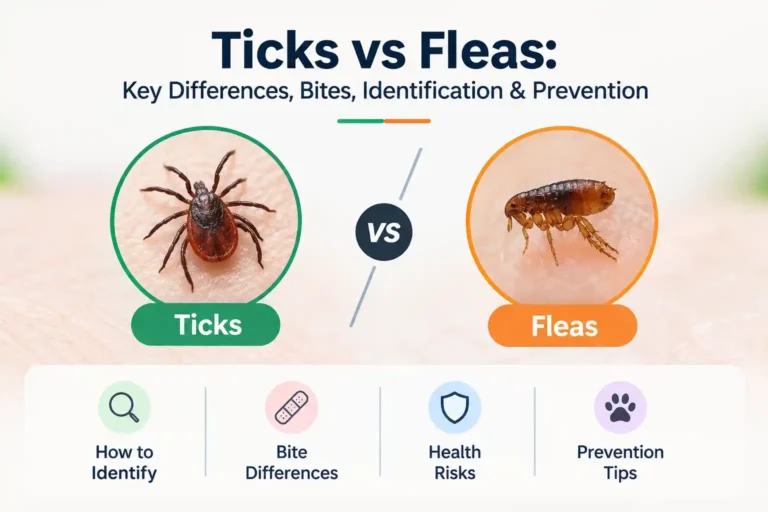
When Is Tick Season? A Complete Guide for Weston, MA Homeowners
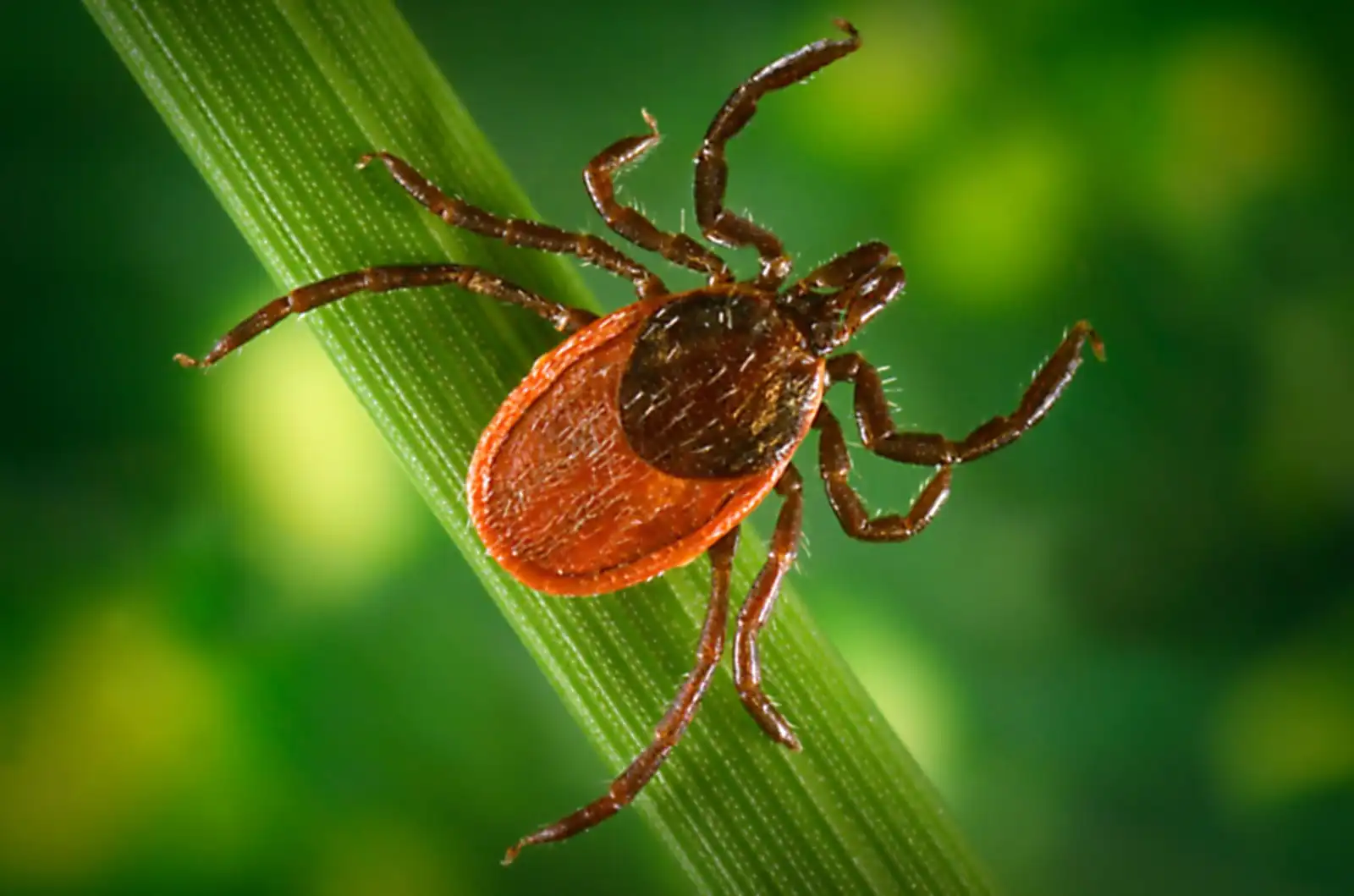
When is tick season? In most parts of the United States, tick season becomes especially noticeable during spring, summer, and fall. The Centers for Disease Control and Prevention (CDC) identifies April through September as the main period of heightened tick activity nationwide. However, Ticks can remain active throughout the year when weather conditions allow.
For homeowners in Weston, Massachusetts, the seasonal pattern is particularly important. Tick Activity typically increases in Early Spring, remains a concern through Summer, and can rise again in Fall. The Massachusetts Department of Public Health reports two periods of elevated activity: March or April through August, and October through November.
Knowing when does tick season start, when does tick season end, and when are ticks most active can help you protect your family, pets, and outdoor spaces. Whether you enjoy gardening, walking your dog, or relaxing in your backyard, understanding Seasonal Tick Activity is an important part of Tick Prevention.
This guide explains the seasonal calendar, common tick species, weather conditions, health risks, and practical Tick Control strategies for Massachusetts properties.
When Does Tick Season Start and End?
The short answer to when does tick season start and end is that there is no single nationwide date.
In Massachusetts, tick activity often becomes more noticeable during March and April and may continue well into November. During Mild Winters, certain species can also become active on warmer days.
When Does Tick Season Start?
Homeowners often ask, when does tick season begin or when do ticks come out after winter?
In Massachusetts, Early Spring is an important time to begin taking precautions. During March and April, increasing Outdoor Temperatures and favorable moisture conditions can bring more ticks into contact with people and animals.
However, when do ticks start coming out depends on the weather and the specific Tick Species involved. Some Blacklegged Ticks may search for a host whenever winter temperatures rise above freezing. Therefore, the first warm day of spring is not necessarily the first day ticks become active.
When Does Tick Season End?
If you are wondering when is tick season over, remember that cooler temperatures reduce activity but do not eliminate ticks.
Late Fall and Early Winter generally bring a seasonal slowdown. Yet Adult Ticks, especially blacklegged ticks, can remain a concern in Massachusetts during October and November and may become active again during favorable winter weather.
For homeowners asking when do ticks go away, the answer is that many ticks survive the cold months rather than disappearing completely.
That is why when do ticks go away for the season does not have a reliable calendar date. A mild December day can still create an opportunity for Tick Exposure.
Tick Season Month by Month in Massachusetts
Understanding how tick activity changes throughout the year can help Weston homeowners plan yard maintenance, outdoor activities, and protective measures.
The following calendar is a general Massachusetts seasonal guide, not a prediction of tick numbers on a specific property.
| Month | Risk Level & Activity | Recommended Precautions |
|---|---|---|
| April | More consistent spring exposure risk | Start regular tick checks and outdoor precautions. |
| May | Nymph ticks become especially active | Use repellent and check children and pets regularly. |
| June | Major period of tick-borne disease risk | Maintain strong daily prevention habits. |
| July | Summer tick season continues | Check for ticks after every potential outdoor exposure. |
| August | Continued activity with weather variation | Maintain lawn and vegetation management around the home. |
| September | Summer activity declines; fall activity approaches | Prepare for renewed adult tick activity. |
| October | Second period of elevated activity | Continue precautions during fall yard cleanup and activities. |
| November | Adult ticks may remain active | Check for ticks after wooded or brushy outdoor activities. |
| December | Early winter slowdown, but exposure remains possible | Do not assume freezing weather completely eliminates ticks. |
The state identifies March/April–August and October–November as major periods of tick activity, with many reported illnesses occurring in June–August. Actual activity varies with weather and habitat.
March and April: When Do Ticks Come Out in the Spring?
The question when do ticks come out in the spring is especially relevant for homeowners preparing gardens and lawns.
During March and April, Warm Weather can increase opportunities for contact with ticks. Some ticks that survived winter in protected habitats may begin searching for Hosts, including wildlife, pets, and people.
This is a useful time to remove accumulated Leaf Litter, trim vegetation, and inspect parts of the yard bordering Wooded Areas.
May Through August: Peak Summer Exposure
May Through August is a major period for tick exposure in the region, although activity differs among species and life stages.
During Late Spring and Early Summer, immature blacklegged ticks become an important concern. These tiny ticks are particularly difficult to see on skin and clothing.
Regular tick checks are especially important for children playing outdoors and dogs moving through vegetation.
September Through November: Fall Tick Activity
As Cooler Weather arrives, homeowners may expect tick activity to disappear.
However, adult blacklegged ticks commonly become active during the fall. October and November are an important second seasonal risk period in Massachusetts.Anyone cleaning Leaf Piles, working near shrubs, or walking through Wooded Properties should continue using protective measures.
December Through February: Winter Tick Exposure
During periods of Freezing Temperatures, many ticks become less active and remain sheltered in protected environments.
Snow Cover, Soil, and fallen leaves can provide insulation that helps ticks survive winter conditions.Even if the landscape appears inactive, some ticks can become active again when temperatures rise. Winter precautions remain worthwhile after outdoor exposure.
When Are Ticks Most Active During the Year?
If you’re asking what months are ticks most active, the answer depends on the tick species, region, and life stage.
For the United States overall, Peak Tick Season is generally associated with warmer months from April through September. In Massachusetts, the pattern is more specific: a spring-to-summer activity period and a second fall period.
Why Late Spring and Summer Carry Higher Risk
During the warmer months, Nymph-Stage Blacklegged Ticks are an important source of human exposure.
Nymph Ticks are immature ticks that can be approximately the size of a poppy seed. Their small size makes them easy to overlook during a quick skin check.These ticks may encounter people in grassy, brushy, or wooded environments.
At the same time, outdoor recreation increases in spring and summer. Gardening, hiking, playing in the yard, and walking pets can increase the chances of contact.
Can Fall Be a Bad Tick Season?
Yes. A bad tick season is not limited to summer.
In Massachusetts, fall can be an important period for Adult Ticks, especially blacklegged ticks. Adult blacklegged ticks are often active in the fall and spring and may search for hosts on suitable winter days.A property with abundant wildlife habitat and dense vegetation may offer opportunities for exposure well after summer has ended.
Common Tick Species in Massachusetts
Understanding local Tick Species helps explain why different tick seasons may overlap.
Different species have different activity patterns, habitats, and disease risks. Identifying the type of tick can also help homeowners understand why seasonal precautions are necessary.
Blacklegged Ticks (Deer Ticks)
Blacklegged Ticks, commonly called deer ticks, are among the most important species for Massachusetts residents.
They can spread the bacteria that cause Lyme Disease and several other pathogens, including those responsible for anaplasmosis and babesiosis.Their activity changes throughout the year. Immature ticks are particularly relevant during warmer months, while adults are active during spring and fall and on some winter days.
American Dog Ticks
American dog ticks are another species found in Massachusetts. They are generally associated with spring and summer exposure and can spread certain diseases, including Rocky Mountain spotted fever, although disease occurrence varies by region.
Unlike tiny nymph-stage deer ticks, adult dog ticks are usually larger and may be easier to identify.
If you need help recognizing differences in appearance, read our guide to deer ticks vs. dog ticks.
Why Nymph and Adult Ticks Matter
Tick development involves several stages: egg, larva, nymph, and adult.
Each active feeding stage requires a blood meal. During Feeding, ticks obtain nutrients from animal Hosts, allowing them to continue development.Their Reproduction Cycles and life stages help explain why certain ticks are more noticeable at particular times of year.
For example, nymph-stage blacklegged ticks are most active during warm weather, while adults are especially active in fall and spring.
Are Ticks Active in Winter?
Yes. If you are asking are ticks still active in the winter, the answer is that some ticks remain capable of activity during mild conditions.
During cold weather, ticks may become inactive or move into sheltered areas, but they do not necessarily die.
Do Ticks Hibernate?
Ticks can enter a period of reduced activity called Tick Dormancy. This is different from assuming that all ticks completely hibernate.
They may remain protected beneath Leaf Litter, within the upper layers of Soil, or beneath insulating Snow Cover.As conditions become suitable again, surviving ticks may resume searching for a host.
What Temperature Makes Ticks Active?
Temperature is one of the major influences on activity, but there is no universal temperature that determines whether every tick will move or bite.
You may see 45°F mentioned as a general reference point for tick activity. However, this is not a reliable cutoff for every species.
Massachusetts health guidance notes that adult blacklegged ticks may search for hosts whenever winter temperatures are above freezing. Therefore, homeowners should not assume that a day below 45°F is automatically tick-free.
How Winter Weather Changes Tick Exposure
Local Climate, changing Weather Patterns, and Milder Climates can influence seasonal activity.
Coastal Climates may have different winter conditions than inland areas, while Drier Conditions and Elevation Changes affect tick habitats in other regions of the United States.
In Massachusetts, even during the usual winter slowdown, tick checks remain appropriate after contact with vegetation and woodland habitats.
What Environmental Factors Affect Tick Activity?
Several environmental factors influence Tick Populations and the likelihood of encountering ticks on residential property.
Understanding these conditions can help homeowners identify areas that may require additional attention.
Temperature and Seasonal Weather
Increasing temperatures can create more favorable conditions for ticks to become active.
During Spring Through Fall, weather may support activity across several life stages. However, periods of extreme heat, cold, or dry conditions can affect how and where ticks seek hosts.
Tick activity is more complex than a simple warm-versus-cold distinction.
Humidity and Moisture
Humidity is particularly important because ticks are vulnerable to drying out.
Humid environments can help ticks survive, while Dry Weather may limit activity in exposed locations.During Hot weather, some ticks seek cooler, shaded areas rather than remaining exposed to direct sunlight.
This helps explain why dense vegetation and protected ground-level habitats can remain important even when open parts of a lawn feel dry.
Wildlife and Animal Hosts
Wildlife plays a major role in tick development and movement.
Deer, rodents, birds, and other animals can serve as tick hosts. Some animals also help transport ticks between woodland habitats and residential areas.
Ticks depend on animal hosts at different life stages, and local wildlife activity can influence where people encounter them.For Weston homeowners whose yards connect to wooded properties, vegetation management is especially worth considering.
Where Do Ticks Live Around Your Yard?
Ticks are commonly found in sheltered, grassy, brushy, and wooded habitats.
They do not need a large forest to survive. Certain areas of an ordinary residential landscape may provide suitable habitat, particularly where moisture, vegetation, and animal hosts are available.
Tall Grass and Wooded Areas
Tall Grass and Wooded Areas are common places for potential tick exposure.Ticks may wait on vegetation for an animal or person to brush past. This behavior helps them find hosts without flying or jumping.
Properties that border woods can have greater opportunities for contact near the boundary between maintained lawns and surrounding vegetation.
Leaf Litter, Brush Piles, and Overgrown Vegetation
Leaf Litter, Brush Piles, and Overgrown Vegetation can create sheltered conditions that help ticks avoid drying out.Dense Landscaping, low shrubs, and shaded areas may also provide suitable conditions.Regular maintenance helps reduce these habitats, particularly where people and pets spend time outdoors.
Lawns, Trails, and Wooded Properties
Ticks can also be encountered near Lawns, walking Trails, and Wooded Properties.A well-maintained lawn generally provides less favorable habitat than unmanaged brush, but it should not be considered completely tick-free.For homeowners with wooded borders, keeping frequently used areas clear of unnecessary vegetation is a practical prevention step.
Why Tick Season Matters for Your Health
The primary concern during tick season is the possibility of Tick Exposure and tick-borne disease.
A tick bite does not automatically mean infection. However, some ticks carry disease-causing organisms that can be passed to people when they feed.
Lyme Disease and Tick-Borne Illnesses
Lyme Disease is an important health concern in Massachusetts.
It is caused by bacteria transmitted through infected blacklegged tick bites. Other tick-borne illnesses in the state include anaplasmosis and babesiosis.
Symptoms of tick-borne illness may include fever, fatigue, headache, muscle aches, or a rash, although symptoms vary depending on the disease.
Not every tick is infected, and not every bite results in illness. Even so, avoiding tick bites and removing attached ticks promptly are important precautions.
How to Recognize a Tick Bite
Some Tick Bites cause mild redness or irritation, while others may be difficult to notice at first.
An attached tick may look like a small dark spot on the skin. Depending on its size and feeding stage, it may be difficult to distinguish from a freckle or other mark without close inspection.For additional information, see our guide on what a tick bite looks like.
If you develop a rash, fever, or other concerning symptoms after possible tick exposure, contact a healthcare professional and explain when and where you may have been bitten.
How to Remove a Tick Safely
Proper Tick Removal should happen as soon as an attached tick is discovered.
Use clean, fine-tipped tweezers to grasp the tick close to the skin. Pull it away with steady, even pressure without twisting or jerking.
After removal, clean the affected skin and your hands thoroughly. Avoid using heat, petroleum jelly, nail polish, or other home remedies to make an attached tick detach.These steps follow current CDC guidance for safe tick removal.
How to Protect Your Yard During Tick Season
Effective Tick Prevention involves reducing exposure, managing suitable habitats, and using personal protection.
No single method can guarantee a completely tick-free property. However, combining practical prevention strategies can help reduce contact with ticks.
Maintain Your Lawn and Landscaping
Regularly trimmed Lawns generally provide less favorable habitat than tall, unmanaged vegetation.
Keep grass mowed and remove unnecessary vegetation where family members and pets commonly spend time.Pay attention to shaded yard edges, landscaping around play areas, and areas near woodland boundaries.
Remove Leaf and Brush Accumulation
Clear unnecessary Leaf Piles, fallen branches, and accumulated brush.This can reduce sheltered habitat close to frequently used outdoor areas.
For properties bordering woodland, consider a defined landscape boundary between maintained lawn areas and dense vegetation.The CDC recommends a roughly three-foot-wide wood-chip or gravel barrier between lawns and wooded areas as one useful habitat-management measure.
Practice Tick Checks After Outdoor Activities
Check yourself, children, and pets after gardening, hiking, walking, or playing outdoors.
Ticks can attach in less visible locations, including behind the knees, around the waist, behind the ears, and along the hairline.
Use an EPA-registered insect repellent according to the label. Permethrin-treated clothing and outdoor gear may also provide protection, but permethrin products intended for clothing should not be applied directly to skin.
Speak with your veterinarian about appropriate tick prevention for pets. Products suitable for dogs are not necessarily safe for cats.
Combine Prevention With Professional Tick Control
A professional Pest Control Company may be helpful when a property has persistent tick activity, extensive wooded borders, or outdoor areas that are difficult to manage through routine maintenance alone.
Professional Tick Removal and Control services for properties generally focus on inspecting habitats, identifying conditions that contribute to tick exposure, and selecting appropriate control measures.
Outdoor Treatments may form part of a broader prevention plan. Treatment effectiveness depends on factors such as product choice, correct application, habitat conditions, and ongoing maintenance.
When Is the Best Time to Spray for Ticks in Your Yard?
Homeowners researching when is the best time to spray for ticks in your yard should focus on seasonal activity and actual property conditions rather than one fixed date.
In Massachusetts, spring is a useful time to review professional treatment options because activity commonly increases during March and April.
The appropriate treatment schedule depends on the tick species, product label, weather, property layout, and exposure risk.
Spring Tick Treatment
Spring yard preparation can address developing seasonal tick activity.
A professional assessment may identify shaded woodland borders, dense vegetation, or other locations that warrant attention.
Treatment timing should follow the product label and the recommendations of a properly qualified applicator.
Summer Tick Treatment
During the warmer months, outdoor activity and encounters with small nymph-stage ticks make prevention particularly important.
Professional treatments, when appropriate, should complement regular mowing, habitat management, protective clothing, and tick checks.
Fall Tick Treatment
Fall should not be overlooked.
Adult blacklegged ticks can remain active during October and November, making continued habitat management valuable even after summer ends.
Are Recurring Outdoor Treatments Necessary?
Recurring Outdoor Treatments may be considered for properties with ongoing tick exposure, but the need for repeat applications varies.
Factors include the treatment product’s approved directions, seasonal conditions, wildlife movement, and habitat management.
Some national pest control businesses market bundled seasonal programs under names such as a Yard Enjoyment Plan. However, a program name by itself does not indicate which services or treatment methods are included.
Weston property owners should ask about the actual scope of tick control, application locations, safety instructions, and follow-up requirements before selecting a service.
Tick Season in Weston, MA: What Local Homeowners Should Know
For residents of Weston, is it tick season is a reasonable question in almost any month.
Massachusetts has documented tick activity throughout the year, with stronger seasonal exposure during spring, summer, and fall.
Properties close to wooded land, shrubs, or wildlife pathways may require particular attention to landscape management.The most useful approach is to combine regular yard upkeep with personal protection and seasonally appropriate evaluation of potential tick habitats.
When Professional Tick Control May Help
Consider discussing professional Tick Control when ticks are repeatedly found in outdoor gathering areas, pets frequently encounter ticks on the property, or wooded boundaries create extensive potential habitat.
Homeowners should also distinguish between treating a residential yard and removing a tick attached to a person. A medical professional should address health concerns following a bite, while a tick control provider can evaluate property-related exposure.
How Tick Seasons Differ Across the United States
Although this guide focuses on Massachusetts, seasonal patterns vary across the country.
The Northeast and Upper Midwest, including New York, Pennsylvania, Massachusetts, Wisconsin, and Minnesota, have important blacklegged tick populations and seasonal disease concerns.
In the Southeast, including North Carolina, South Carolina, Georgia, Florida, and Tennessee, warmer conditions can support different tick species and potentially longer periods of activity.
The Mountain States and Western States have their own species, habitats, and seasonal patterns. Elevation Changes and regional weather can influence opportunities for exposure.
The Southern States and Gulf Coast States may experience extended activity due to warmer conditions and relatively Mild Winters.
For this reason, tick-season advice should always reflect local tick ecology rather than applying one calendar to the entire country.
Final Thoughts: Stay Prepared Throughout Tick Season
So, when is tick season in Massachusetts?
Tick activity increases during spring, remains important throughout summer, and often rises again in fall. The greatest concern for many homeowners is not a specific date but the combination of active ticks, suitable habitats, and frequent outdoor exposure.
For Weston residents, consistent Tick Prevention can make a meaningful difference. Keep lawns maintained, reduce sheltered tick habitats, use appropriate repellents, check pets and family members after outdoor activities, and seek medical advice when a tick bite raises health concerns.
If tick encounters continue around your property, professional tick control may be a useful part of a broader prevention strategy. Visit Tick Control Weston MA to explore your next steps for managing seasonal tick activity around your home.
Frequently Asked Questions About Tick Season
1. Is It Still Tick Season in Massachusetts During November?
Yes. If you’re asking is it still tick season during November, the answer is that adult blacklegged ticks can remain active. Massachusetts experiences a second period of elevated tick activity during October and November, so continue checking for ticks after outdoor activities.
2. When Is It Tick Season for Dogs?
People asking when is it tick season for dogs should know that pets can encounter ticks throughout the year. Spring, summer, and fall are especially important periods in Massachusetts. Ask your veterinarian about appropriate year-round tick prevention.
3. When Are Ticks Out of Season?
Ticks do not have a completely risk-free off-season. Winter generally brings reduced activity, but blacklegged ticks may seek hosts during warmer periods. Continue taking precautions whenever you visit likely tick habitats.
4. What Months Are the Worst for Lyme Disease?
In Massachusetts, many reported tick-borne disease cases occur from June through August. However, Lyme Disease can occur whenever infected ticks are active, including outside the summer months.
5. Can Ticks Survive Snow and Freezing Weather?
Yes. Some ticks survive winter beneath leaves, snow, and other protected habitats. Freezing Temperatures can reduce activity, but they do not guarantee that ticks have died.
6. When Should I Schedule Professional Tick Treatment in Weston, MA?
Spring is a useful time to consider tick treatment because local activity commonly increases during March and April. However, treatment recommendations should depend on your property’s conditions, tick activity, and approved product directions. Fall treatment may also be worth discussing where exposure continues.
7. Does Spraying Your Yard Completely Eliminate Ticks?
No. Professional treatments may help reduce ticks in treated areas, but they cannot guarantee complete elimination. Wildlife movement, untreated vegetation, and ongoing exposure can contribute to future tick activity.